



Kate writes to know what she thinks. I think, ruminate, think, think, and often the words on the page cease to multiply. These thinks are wanted to be said, so I am going to fall in line with the woman I share work and home with, and try to place writing in the lead.
In April I spent five days with the first woman I knew, the woman who birthed me, raised me, and taught me, in the place she was birthed, raised, and taught. Lately, this time we spent together has had me thinking of heritage, diaspora, and colonisation.
Of Indigenous ways of remembering, connection, and truth-telling.
Of displacement.
And where my mother and I fit in all of this.
I wrote these words when I was in the murk of something I did not yet quite understand. Possibly the main causation for these thoughts being left unwritten, re-written, erased, is that I am cautious of drawing unclear or unjust correlations between my story, and histories that I don’t share, though it seems I am overflowing into that of others. And I see we are not separate.
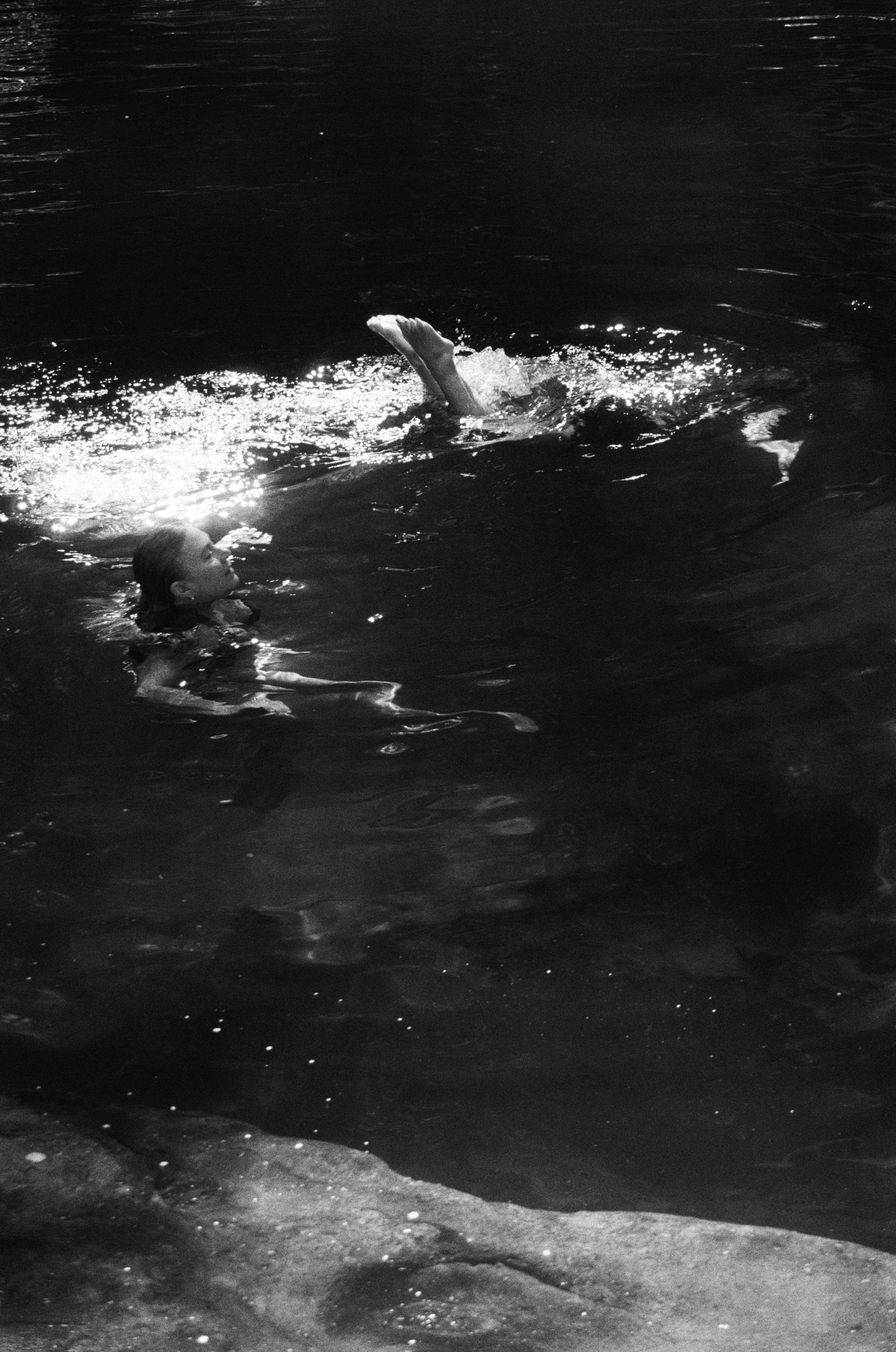
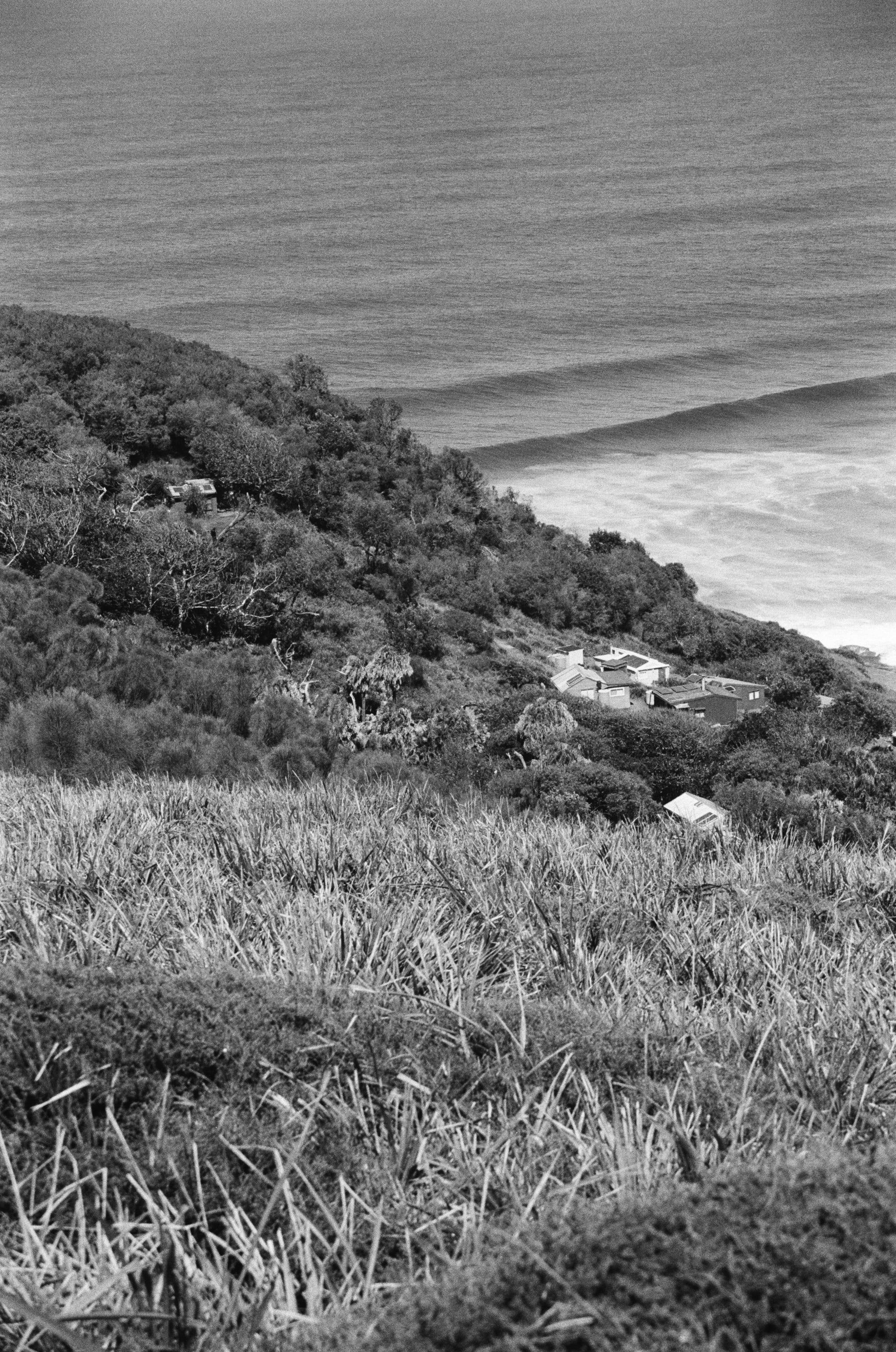
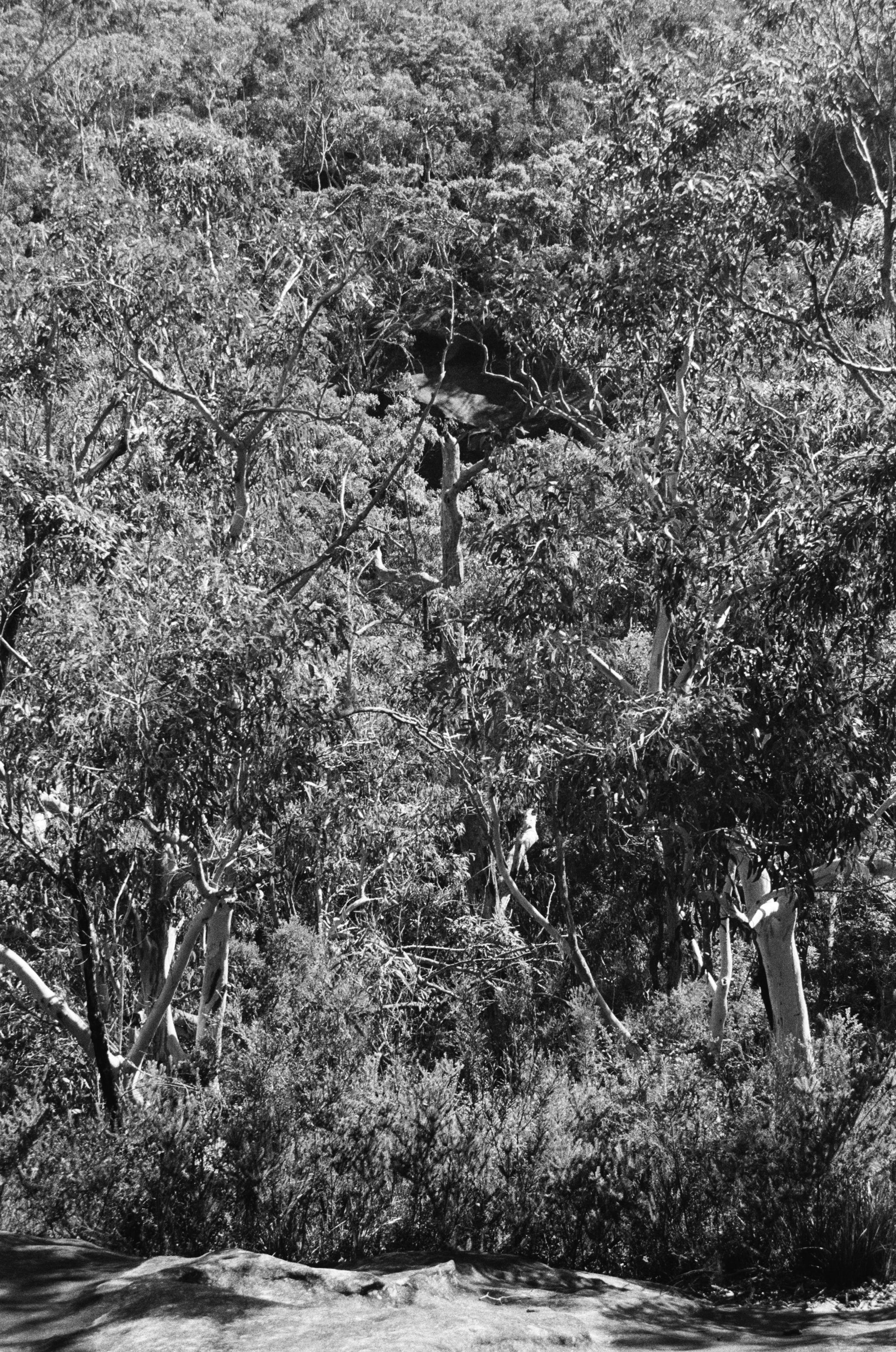
My mother grew up in Sydney’s coastal south between Engadine, Heathcote and Cronulla. Meeting there, her from Walyalup, Fremantle, and I from our region, Bundjalung Country, we retraced some of the wrinkle lines of her first twenty or so years of life. Homes she lived in, trains she would take to school, the surf shop she worked in, friends she danced with, the suburban yard she housed a horse in, native bush they would walk, and the pristine green waterhole that replenished her youth.
I don’t know a lot about my mother’s heritage, here is some of what I do. I know my great grand-dad, her grandpa, played bagpipes on my first birthday, and that we shared admiration and many memories with him, and my great-grandma, her grandma. I know that she was raised with the surname McPherson, carrying the name of her father that went missing on purpose. I know that my nan, her mother, stayed very close to the family of the man she had two daughters with, the man who decided to disappear, until that family deemed my family–consisting of me, my two brothers, one sister, one mother, one aunty, one nan, and three cousins–to exile when my great-grandad passed. I know that this was to do with greed.
I know that a private detective has confirmed my mothers dad to still be alive. I know that a daughter almost always wants a dad as much as I know that a mother almost always wants her baby close. I know that my mother was separated from her first baby when she was three years old. I know that displacement is really raw and confusing. I know that baby to be me.
I am not Indigenous. My name, Miica, translates to moon in Bardi Jawi, the language of the land that grew me up, a peninsula where the Timor sea and the Indian ocean meet. I am a First Peoples ally, born to two young parents that lived not dissimilar to the Yawuru and Bardi Jawi peoples, living off freshly caught fish, cleaning cloth nappies in warm turquoise sea, and sleeping on red dirt, blanketed by the desert sky.
I don’t know why it is that the words are revealing themselves like this today, but here is some of what I know of me. I know that when I moved to Perth, children had shocking things to say about where I came from, who I grew up with, and what my accent sounded like. I know that a child’s actions are rarely their own fault. I know that my zeal for history dissolved in high school when we were led through half a year of Australian history and Indigenous Australians and Torres-Straight Islanders were mentioned twice. Once when learning of Gough Whitlam, and once when learning of Paul Keating. I know that I can count on tears welling up in my eyes any time I hear of, see, or feel, the resilience of our Indigenous peoples. I know that my father’s family is Hungarian Jewish, and those that survived made it to Australia as war refugees. I know that trauma lingers.
I know that greed and disconnection is what’s doing us in. I know that the world’s oldest living culture, guided by our First Nations Peoples, saw greed as evil, and disconnection non-existent. I know that a reckoning with our history, and our grave mistakes, could be the potent remedy to our environment in crisis.
There is plenty more to be said, but not today. So take this correspondence as a commitment and an encouragement. Below is some guidance on how you may learn from, advocate for, and listen to our island’s First Peoples. I encourage you to do that. Humankind is racing in the wrong direction.
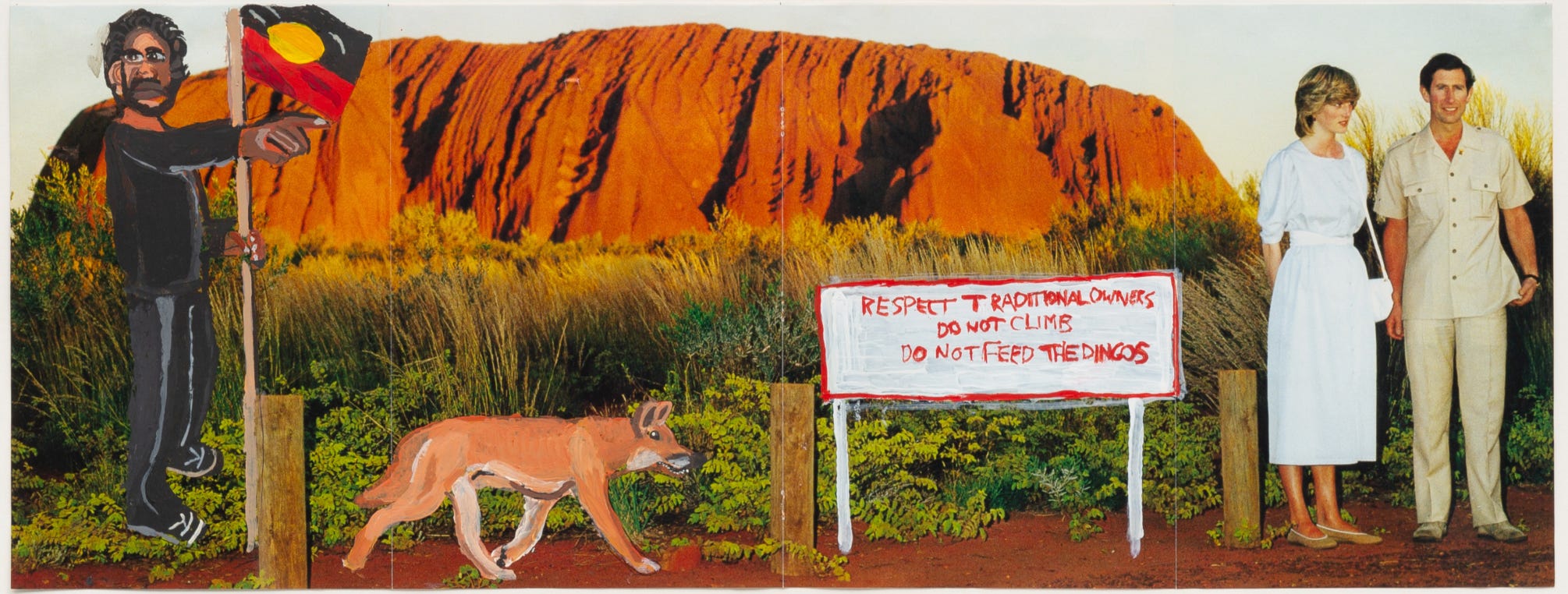
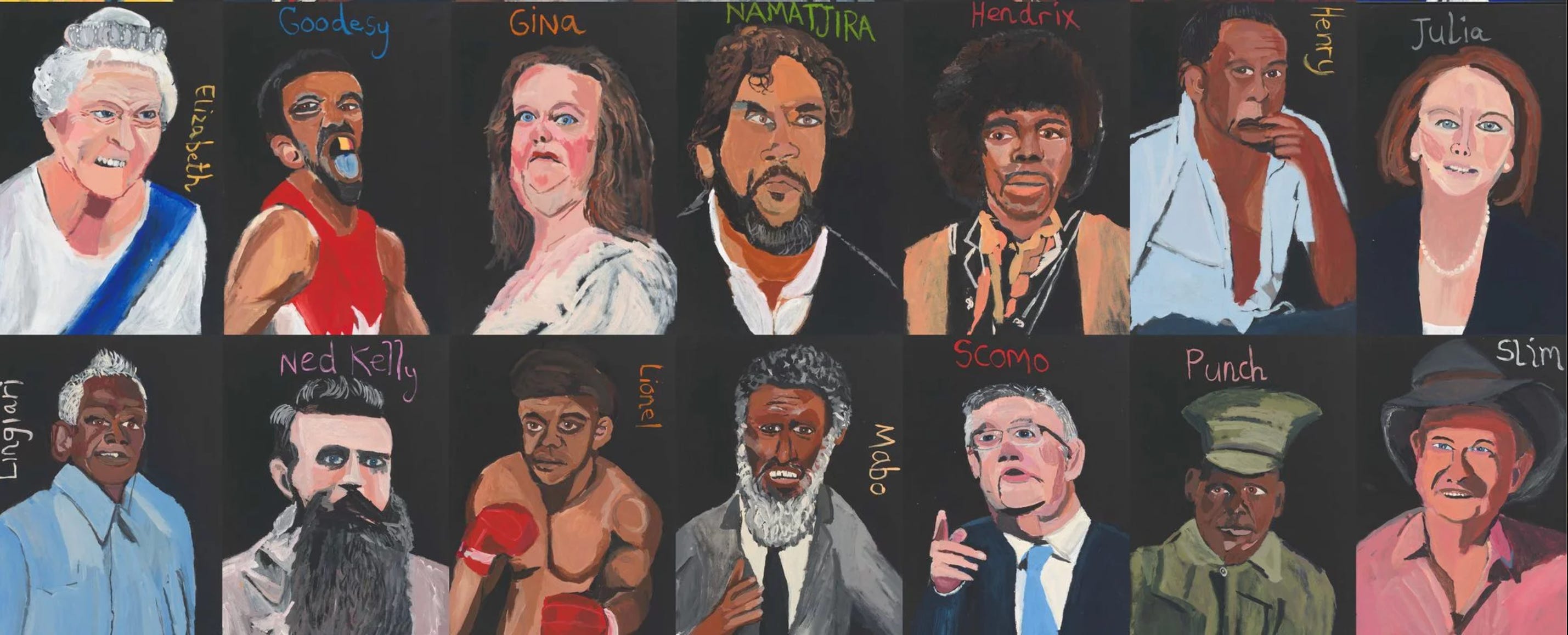
Consider learning of the Namatjira family in the books Vincent Namatjira and Albert Namatjira. Both written and illustrated by Vincent. Albert Namatjira is possibly the most widely known painter out of Australia, and Vincent’s great-grandad. I highly recommend learning more of their story through The National Art Gallery of Australia, The Museum of Contemporary Art Australia, and The Art Gallery of NSW.
Look at Vincent Namatjira’s artwork series Australia In Colour which exhibited in the National Art Gallery of Australia last year.
Read the evidence from the Yoorrook Justice Commission in Victoria. It is the first formal truth-telling inquiry into historic and ongoing systemic injustices perpetrated against First Peoples through colonisation, led by First Peoples over the past four years.
Listen to Midnight Oil’s Beds are Burning, or if you’re like me, I suggest getting sidetracked watching their video clips from that Diesel to Dust album.
Read Thomas Mayo’s book Always Was Always Will Be. Written after the Voice to Parliament referendum result, this one book encapsulates the groundwork of what every Australian should know about our shared history, structured in three parts. Part one: Hope, resilience and motivations, Part two: Learning from the past, and Part three: What’s next. It is clear and informative and not subjective to prejudice. It is the kind of book you can recommend to anyone. Thomas Mayo was a signatory for the Uluru Statement from the Heart, read the Statement from the Heart.
Listen to Tyson Yunkaporta speaking of Deep Time Diligence on Emergence Magazine. I also recommend listening to Fire in the Belly, and The Time Traveller's Wife’s Husband with Tyson on Emergence Magazine.
Take a look at Ziggy Ramo’s collaboration with Paul Kelly and The Sydney Opera House. And if you’re in our region, consider getting a ticket to the Writers Fest event Beyond the Lines this coming Saturday eve with Ziggy Ramo.
Finally for now, if you’d like to accustom yourself to some of our country’s history with mining oligarchs and greed, take a listen to the Gina podcast, by The Guardian Australia. It covers a lot.
Always,
Miica